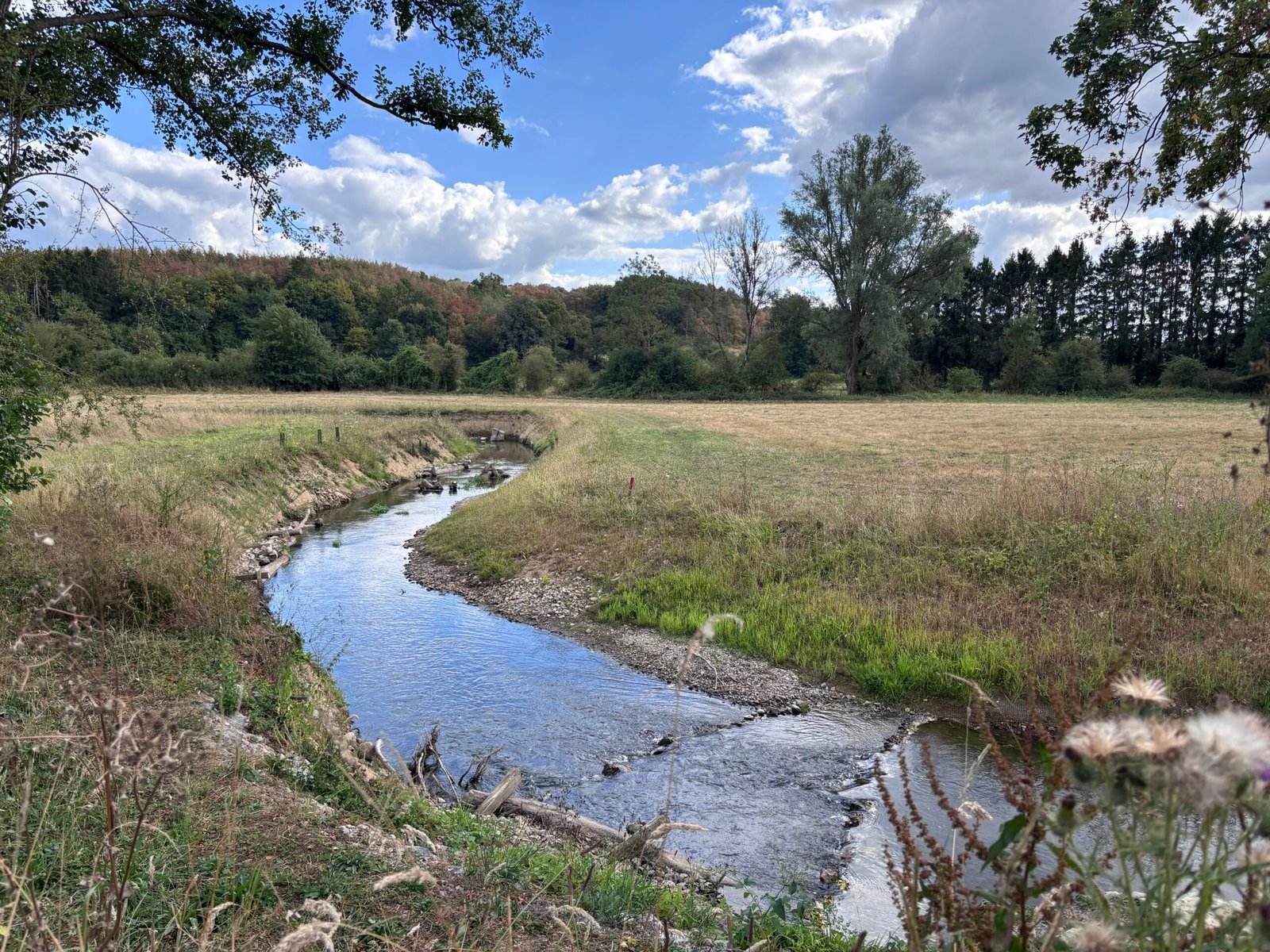
Protected areas change more than landscapes and seascapes, because they can also change how people use a place, what opportunities they see in it, and how they feel about conservation and restauration. So how do you know what people living around a protected area actually think about it? It’s true that ecological monitoring can tell us whether habitats are improving or species are recovering, but it cannot tell us whether local people feel involved, what worries them, or what opportunities they think a new conservation project might bring.
This is where social assessment can help: in simple terms, it means asking people about their experiences and views, and then using that information alongside ecological evidence to build a fuller picture of what a conservation project is actually doing. We spoke to Dr Johanna Breyne, Director of Entre-Sambre-et-Meuse National Park in Wallonia, Belgium, about why the Park decided to do this and what it has learned from the process… Read the full article when it is released 19th October 2026!