Everything we do at EcoTransform recognises and responds to the multi-dimensional nature of environmental policy, consolidating and quantifying it to better understand it.
We’re continuously gaining insight into wide-reaching policy implications, so we can work with you to plan for a better future.
We bridge the gap between cutting-edge research and policy design, working across three key themes:
Our bespoke evaluation process helps us understand what makes policies work, and why, so we can help you plan multi-dimensional policies for the future.
By capturing outcomes, measuring impacts, and identifying the forces that drive change, EcoTransform can design smart interventions that simultaneously address environmental challenges and increase social value.
We know environmental policies can transform socio-economic prosperity. In order to maximise social impact, we need the right tools to measure it, and interpret it.
The expert team at EcoTransform employs a blended measurement approach, combining a range of methods from workshops and surveys to advanced modelling and geospatial techniques.
Upskilling your team is key to embedding critical thinking and continuous evaluation throughout policy development.
Our training builds the skills needed to select appropriate tools and capture the full range of social and environmental impacts. It empowers staff to draw meaningful conclusions, identify optimal interventions and contribute to transformative change.
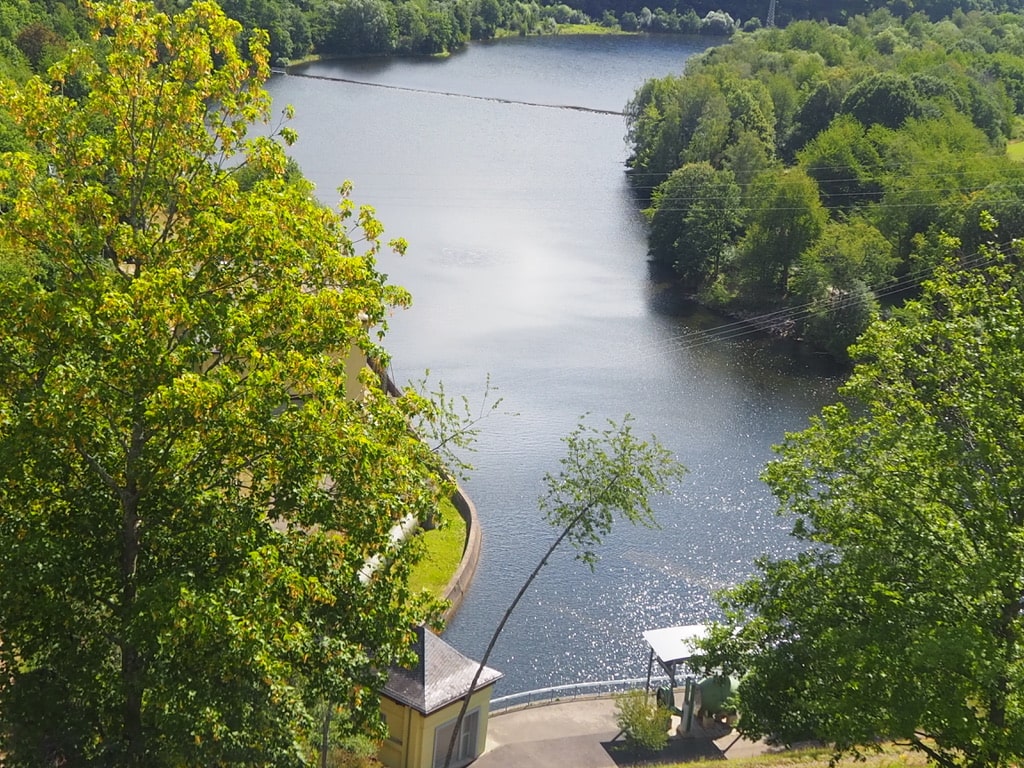
Our team has developed a detailed social impact assessment framework as part of the European project FIDELIO led by the University of Warwick. The framework captures the social outcomes of protected areas, explaining also the main reasons that these outcomes are perceived in the way they do by communities and also how these impacts are distributed in space. You can read more about this work at www.warwick.ac.uk/sociat.
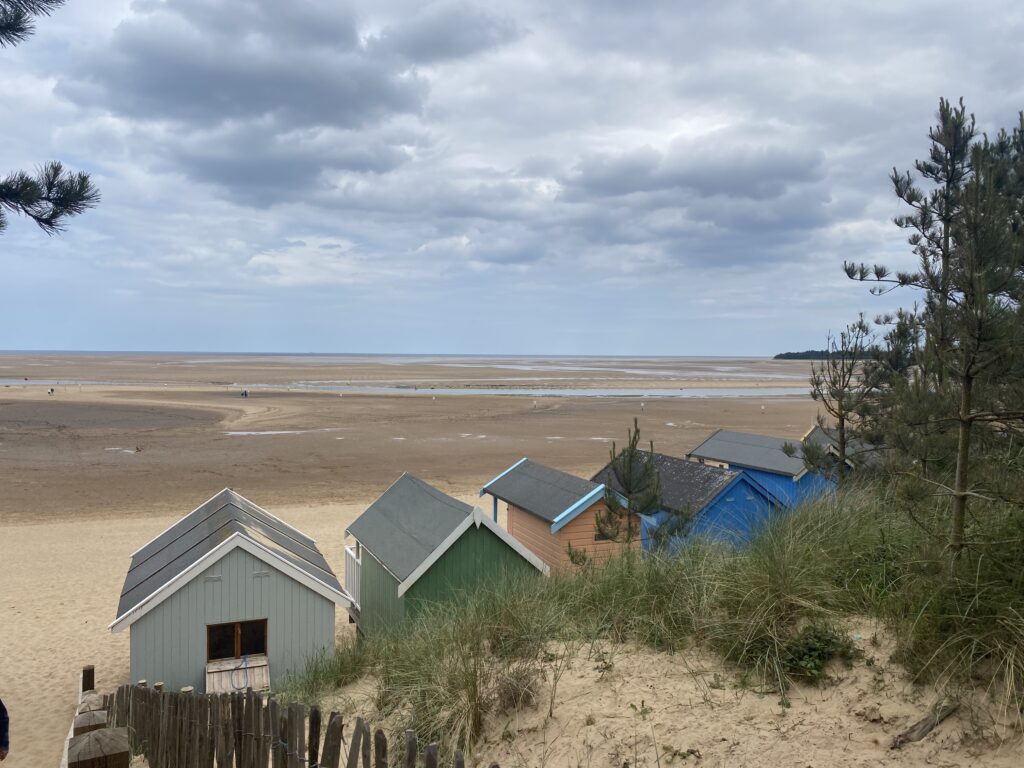
The Wholescape Programme, championed by WWF-UK in partnership with local conservation groups, councils, and community stakeholders in Norfolk, tackles the region’s interconnected environmental challenges. Its main objectives include habitat restoration, enhancing climate resilience, supporting the move to sustainable food production and fostering community involvement. We developed an innovative methodology showcasing the outcomes of Wholescape by extracting insights and promoting active local engagement. Through WARP, we chronicle Wholescape’s progress across various timeframes and offer WWF valuable insights for reflection.
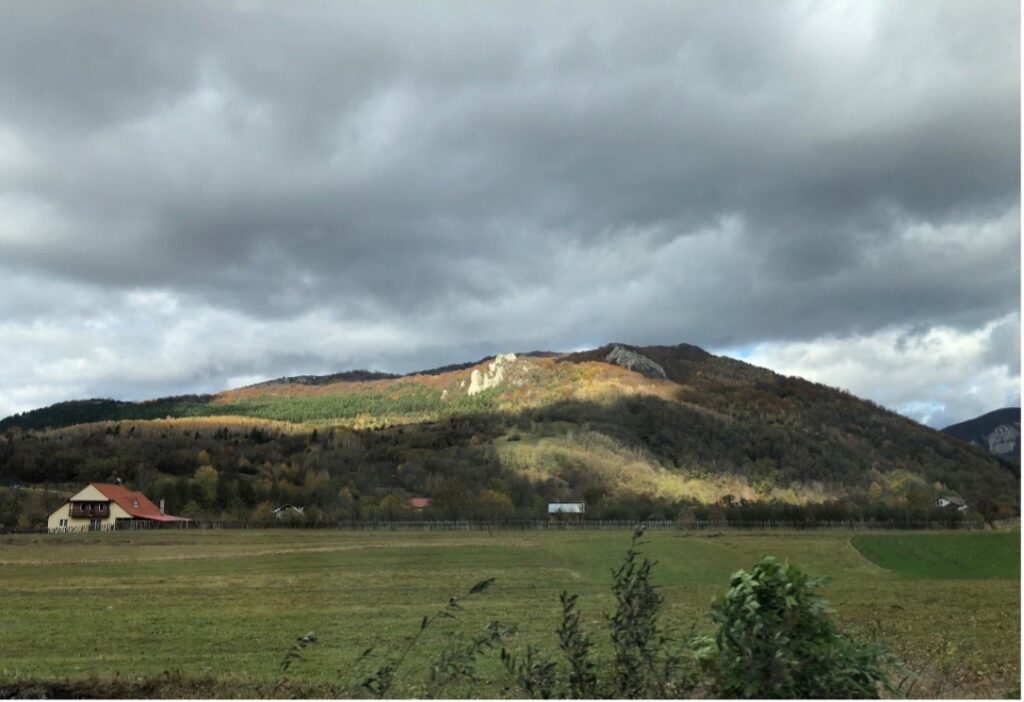
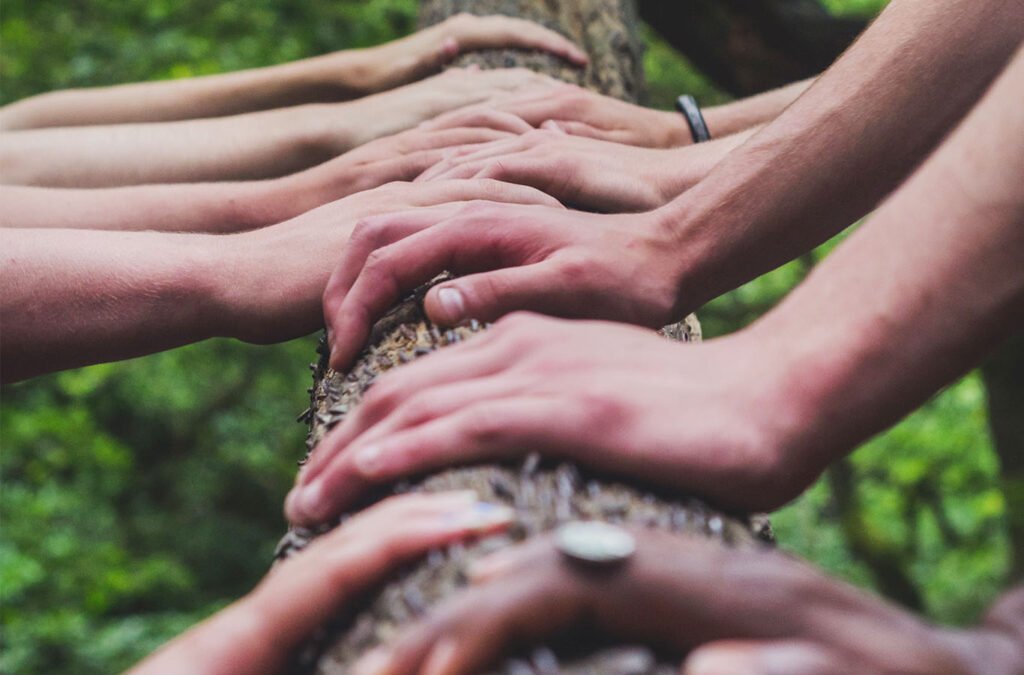
Wholescape Assessment of Social Capital (WASC) was a research project led by the University of Warwick in partnership with WWF to develop an innovative framework for assessing how environmental and place-based interventions affect social capital within communities. The project explored the relationships between social networks, trust, community participation, wellbeing and the natural environment, recognising that successful environmental action depends on both ecological and social outcomes. Using interviews, surveys and secondary data, the framework was applied in North Norfolk to understand how social and natural capital interact and to evaluate the impacts of policies and programmes designed to benefit nature, climate and local communities.
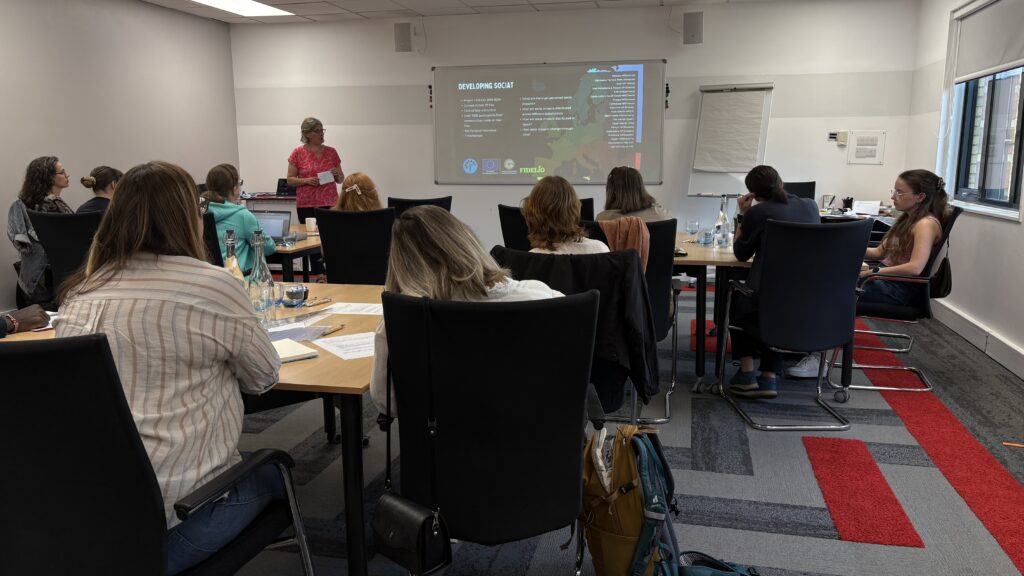
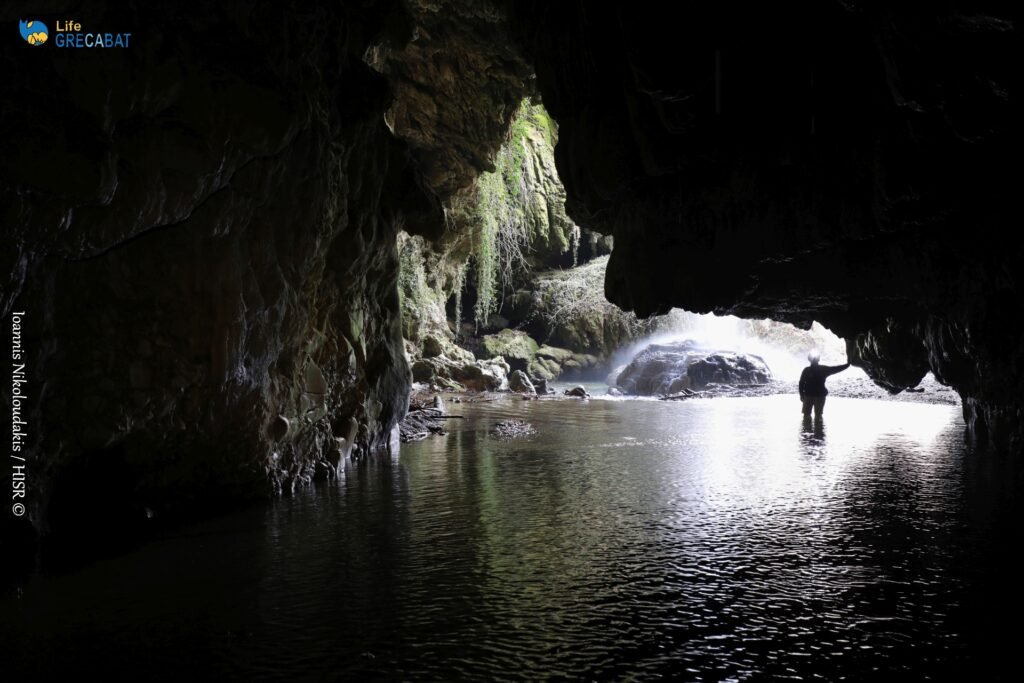
We conducted an independent socio-economic impact assessment of the LIFE GRECABAT project, evaluating how its conservation activities for bats generated benefits for society, stakeholders and policy. Drawing on project monitoring data, surveys and stakeholder engagement evidence, we developed an impact assessment framework to capture outcomes across public awareness, skills development, citizen science, collaboration networks, policy influence and research impact.
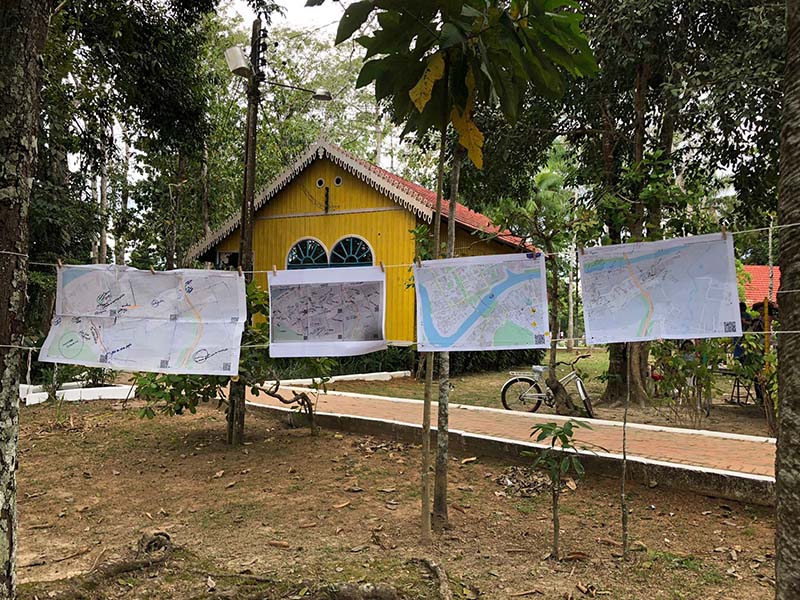
As the effects of climate change continue to escalate, protecting communities across the globe is paramount. EcoTransform has been helping to identify effective and sustainable solutions for flood risk management in the Brazilian Amazon – vital for the preservation of stunning biodiversity in the area, and essential for the safety of indigenous communities.
To support identification of the most sustainable solutions, our team developed and applied a suite of participatory mapping techniques to the area. Our systemised citizen-science approach strengthened existing geospatial information by adding buildings, roads, pathways, watersheds, rivers and ravines. Generating locally-relevant, rich geospatial datasets helped create a more accurate picture of the physical and built environment and enabled the most appropriate and effective solutions to be identified.
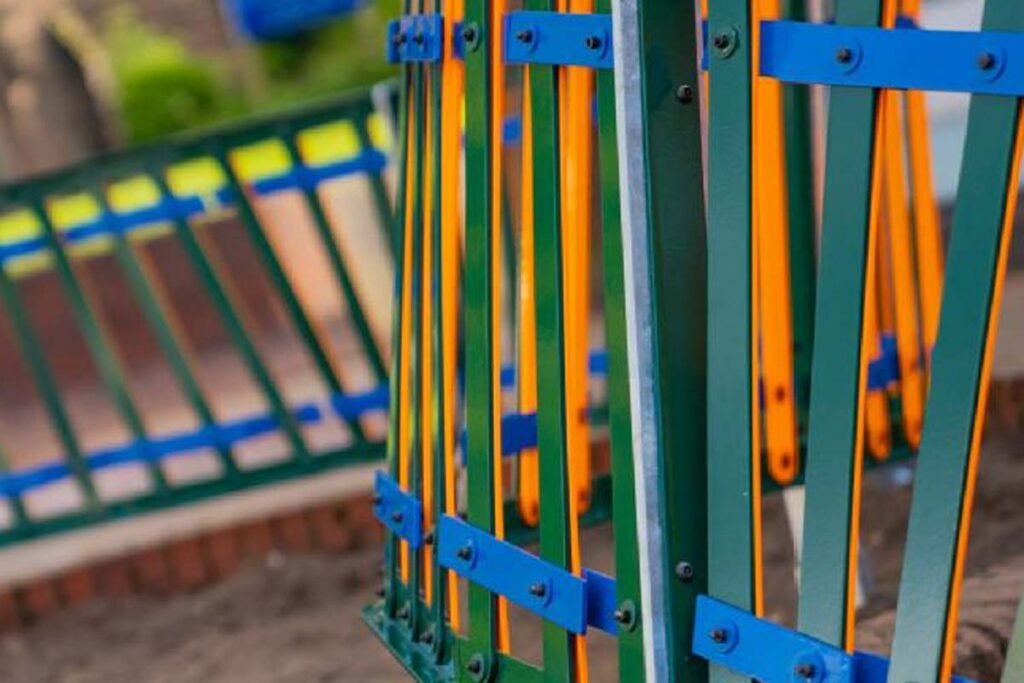
The ASIOS project, led by the University of Warwick, investigated the social (non-monetary) value of the Warwickshire County Council ‘Our Spaces’ programme; a project aimed at helping to reinvigorate public spaces in the wake of the Covid pandemic by installing public art interventions in seven towns throughout Warwickshire. Art and culture play an increasingly vital role in the vitality and vibrancy of places and there is a growing trend towards experiential town and high street centres. The Our Spaces project aimed to embed art and culture in our places to support regeneration activity as well as engender a sense of place and pride amongst residents and communities. In this project, we worked with the Our Spaces commissioning team to examine how the artistic interventions benefit the public realm, focusing on the health and wellbeing impacts of spending time in public spaces, the public appreciation of space quality, and the use of the spaces before and after intervention. The project involved two local artists who produced an artistic response to the Our Spaces installations and the reactions of the public.